From Policy Change to Action: Why Timing Matters in Insurance
We’ve heard people in mortgage servicing use verification and tracking as if they’re interchangeable, and honestly, for a lot of daily work, treating them that way doesn’t break anything.


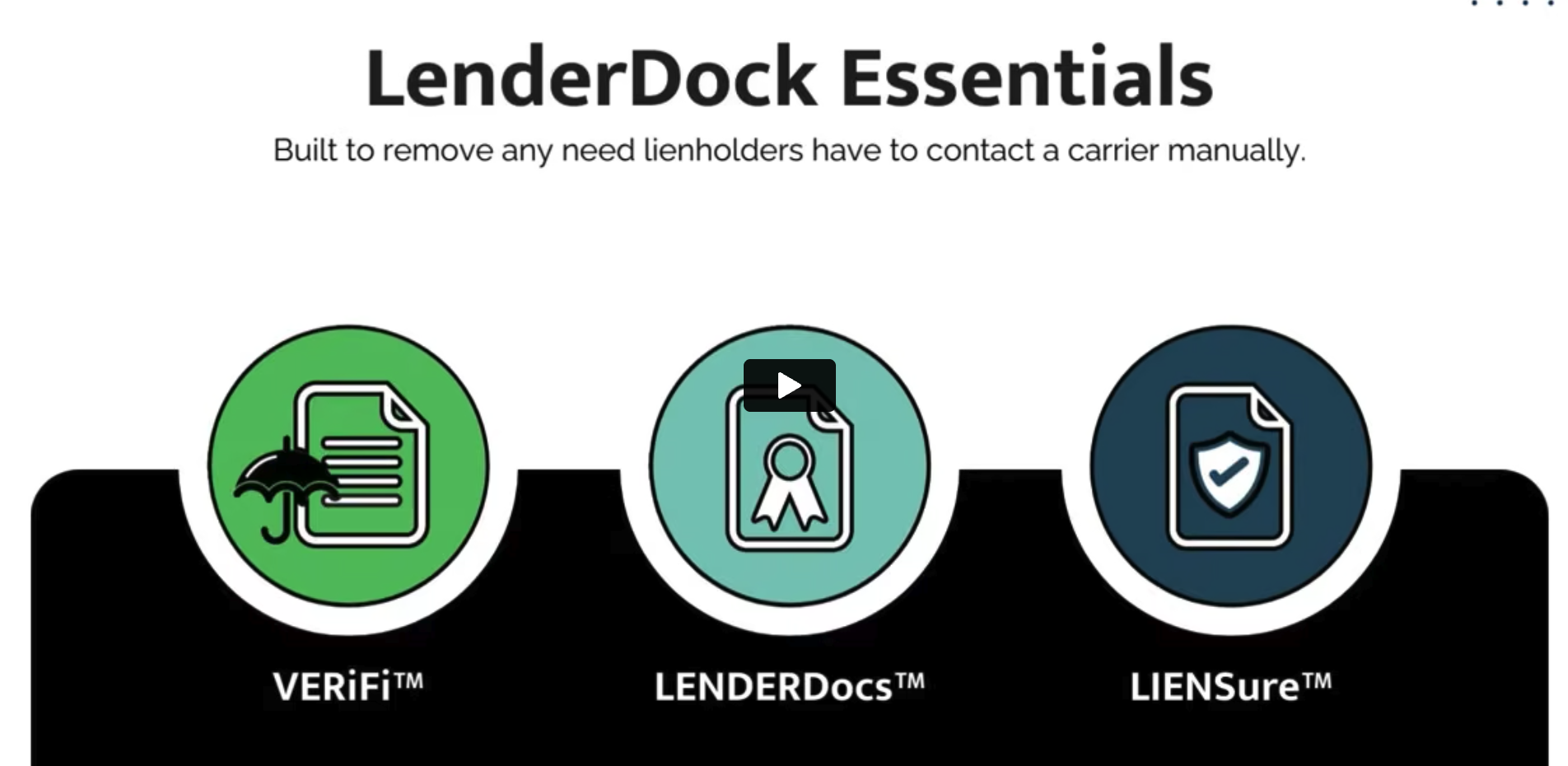
LenderDock provides real-time, insurance policy details through its magical web portal or its APIs.

LIENSure sends corrections digitally, straight from the financial source of truth and in bulk for easy processing.

ESCROWPay verifies what’s actually due before the money moves, then sends the payment and reconciliation data digitally.

NOTiFi delivers required policy, coverage, and billing notices in the formats lienholders actually use
At least check out the genesis of LenderDock Video. It’ll all make sense, the eco-system, that is.
Learn more about our great leadership team and our amazing, people-first, company culture.
There’s a lot going on at LenderDock and in our industries. We threw it all here to make it easier to keep up.
We go to a lot of events and we love to eat. See our calendar of where we’ll be.
New webinars will be coming quite frequently. Educational, success, and sales.
About 70% of youthful workers said that if their expectations for the digital experience were not fulfilled, they would think about quitting the organization.
Policyholders are not the only ones who want the simplicity and ease of use that come with cutting-edge digital experiences and communication equipment. The next generation of insurance professionals will be drawn in large part by innovative digital experiences, according to a survey by Riverbed Technology LLC that surveyed 92% of executives in the financial services and insurance sectors.
A significant portion of CEOs (92%) surveyed stated that investment in digital experiences (DEX) will be a key priority over the next five years due to the expanding significance of this field.
If DEX expectations were not realized, about 70% of millennials and Gen Z employees said they would think about quitting their firm. The same proportion of respondents claimed that a company’s performance, reputation, and productivity may all suffer if these expectations weren’t met. In fact, according to Riverbed, a smooth DEX was valued higher than free coffee and snacks and monthly office happy hours as a workplace bonus.
The cloud and artificial intelligence, according to about half of survey participants, are the most significant technologies that will grow more and more “business-critical” during the next 18 months. App and network acceleration, DEX management solutions, and automation tools are other technologies that Riverbed claims are becoming more and more important.
These days, as more and more digital natives join the FSI workforce, it’s imperative that strong DEX solutions are in place. This is not just to maintain the productivity of Gen Z and millennial employees, but also to reduce risk, automate procedures, guarantee the efficiency of client financial transactions, and enable top talent to work with greater strategy.
Furthermore, it is observed that although delivering enhanced digital experiences is getting harder, it is good to see that most industry leaders understand the value of DEX and are investing to fix any flaws.
Regarding obstacles impeding DEX advancements, 36 percent of executives stated their organization has sufficient observability tools, while 34 percent cited financial limitations and 32 percent stated they had an excessive amount of data to analyze. Another 29% claimed they lacked the necessary SaaS apps or cloud services to provide a flawless DEX.
While businesses are trying to enhance DEX, 34% of CEOs reported that they are having trouble finding IT staff. Since 94% of survey participants stated that IT is now more accountable for business innovations than it was three years ago, this is impeding business modernization.
Additionally, 45% of decision-makers in the financial services and insurance industries stated that while they have IT personnel to make changes, they lack the requisite skill sets to put improved digital tools into practice. But according to 85% of study participants, they have set aside money for employee retraining.
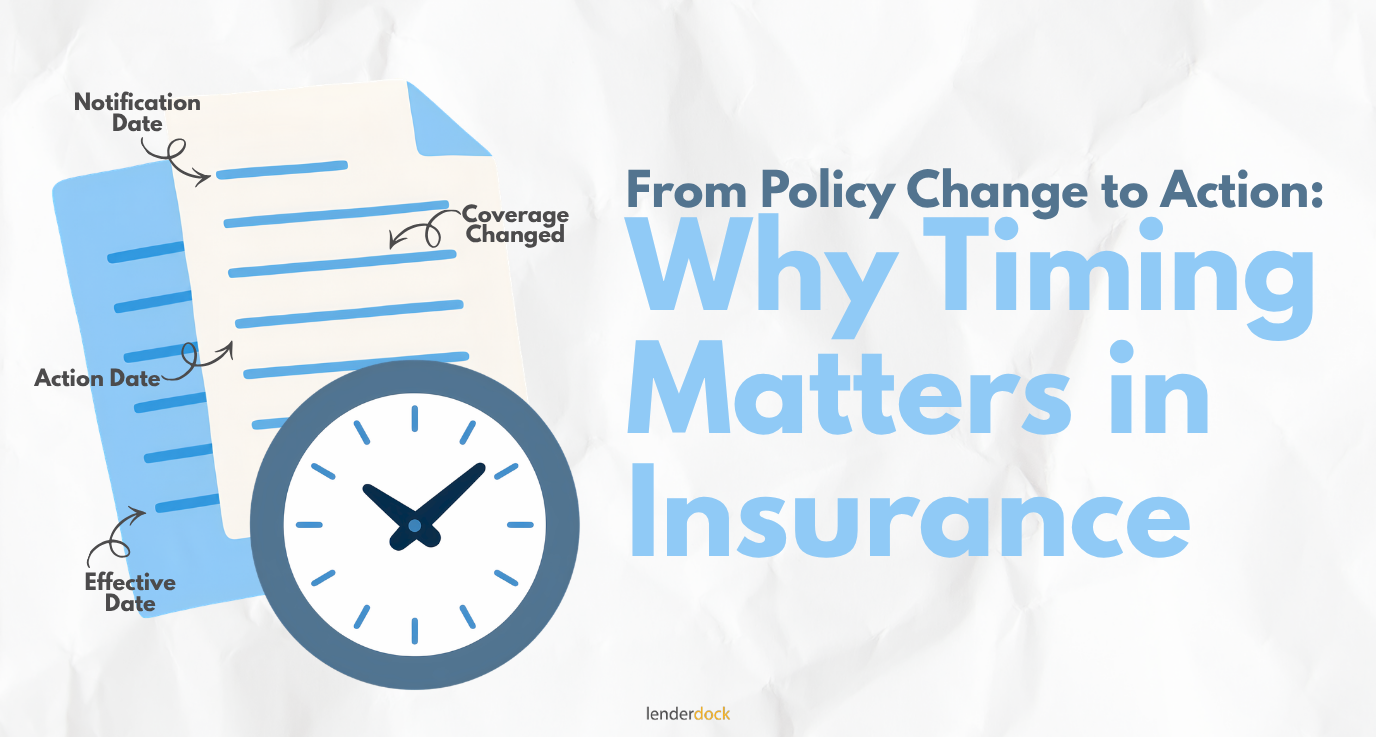
We’ve heard people in mortgage servicing use verification and tracking as if they’re interchangeable, and honestly, for a lot of daily work, treating them that way doesn’t break anything.
A two-day lag between a policy change and everyone finding out about it used to be annoying, not dangerous. Someone made a call, waited, got an answer, and moved on with their day.

We’ve heard people in mortgage servicing use verification and tracking as if they’re interchangeable, and honestly, for a lot of daily work, treating them that way doesn’t break anything.

Insurance verification is a routine part of the lending and insurance process. A lender needs to know whether a policy is active. A mortgage servicer may need to confirm coverage or mortgagee information. An insurance…
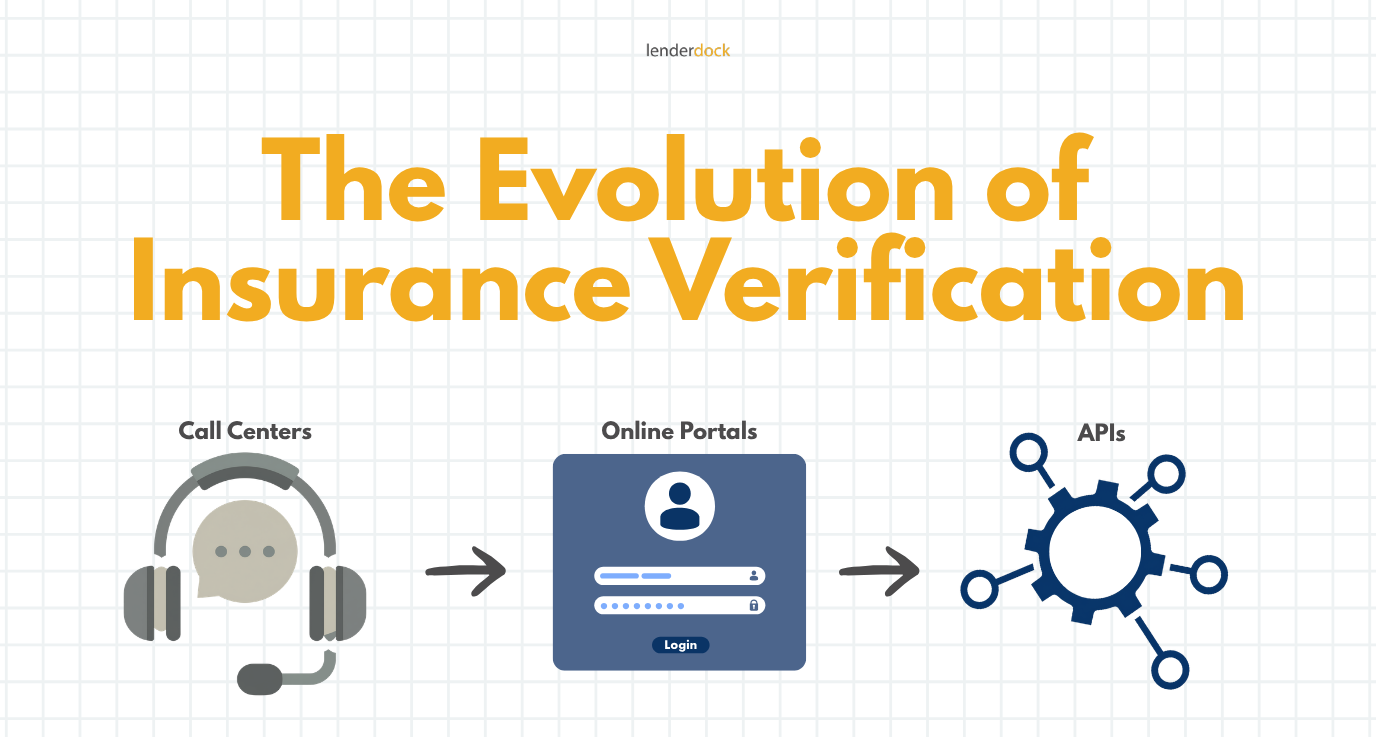
In the earliest version of insurance verification, the person answering the phone actually had to know things. They pulled a physical file, checked handwriting against a ledger, and made a judgment call about whether what…
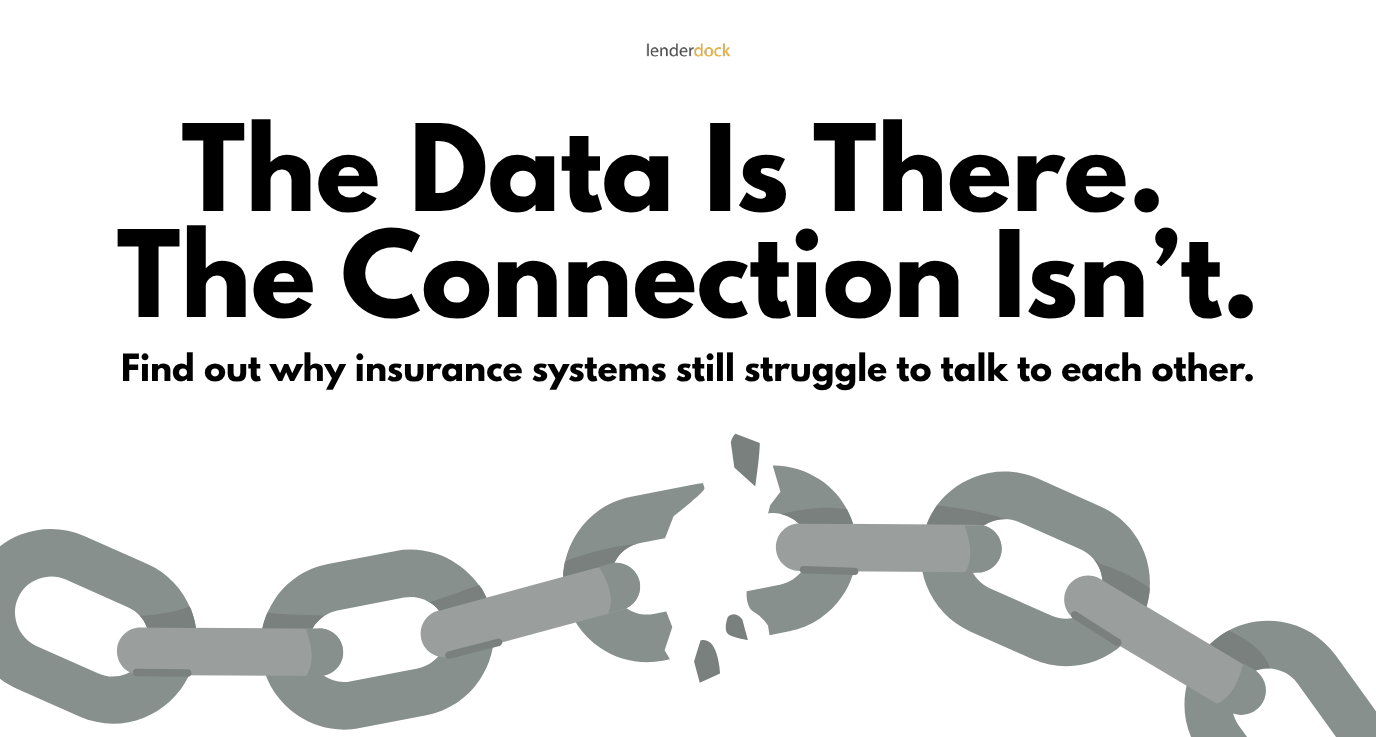
Two insurers can each have perfectly accurate, well-maintained policy databases and still fail to exchange a single piece of usable data between them.
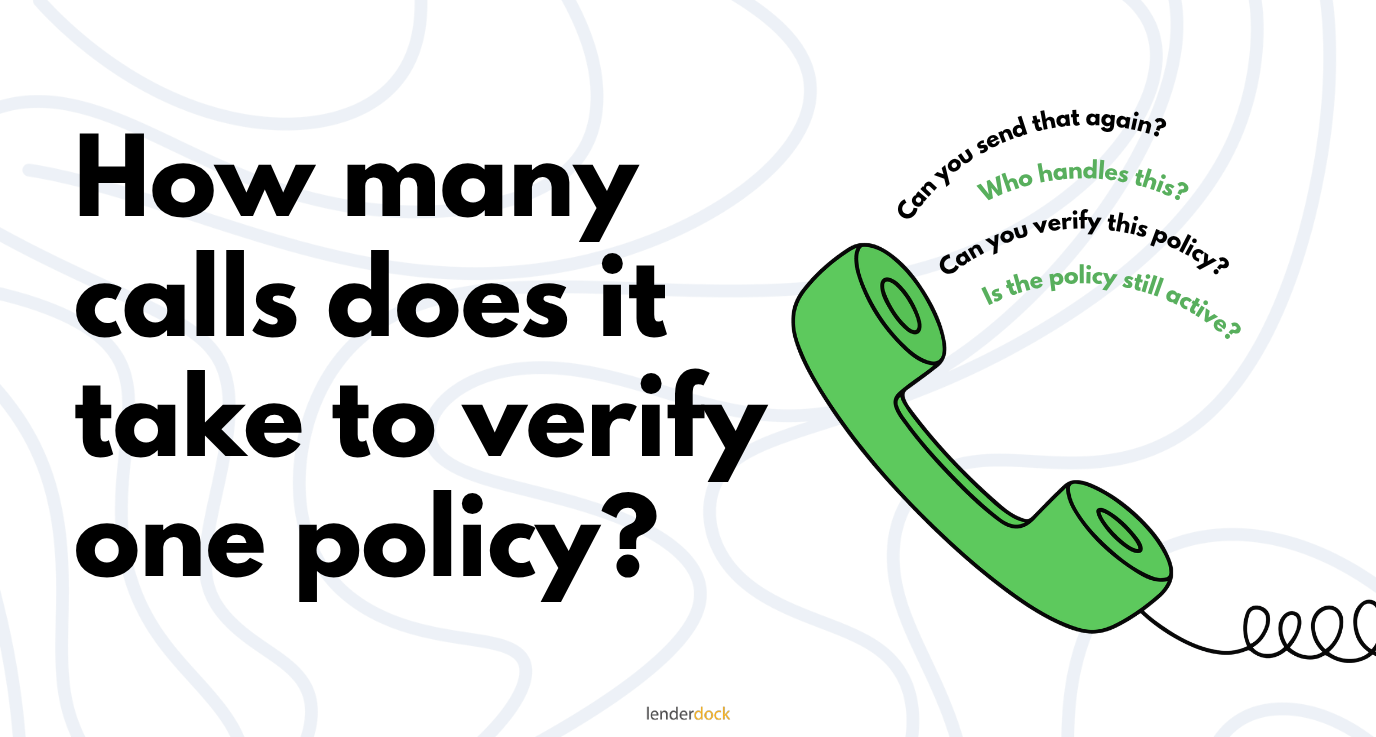
Every single day, insurance workers face a mountain of simple questions. Are they tired of answering the same questions about policy coverage all day long? Yes, they are. When banks or lenders need to check…
A title company closing a home sale needs to confirm the seller’s policy is active before the deal can move. An auto lender needs the same thing before releasing funds on a car loan. A…
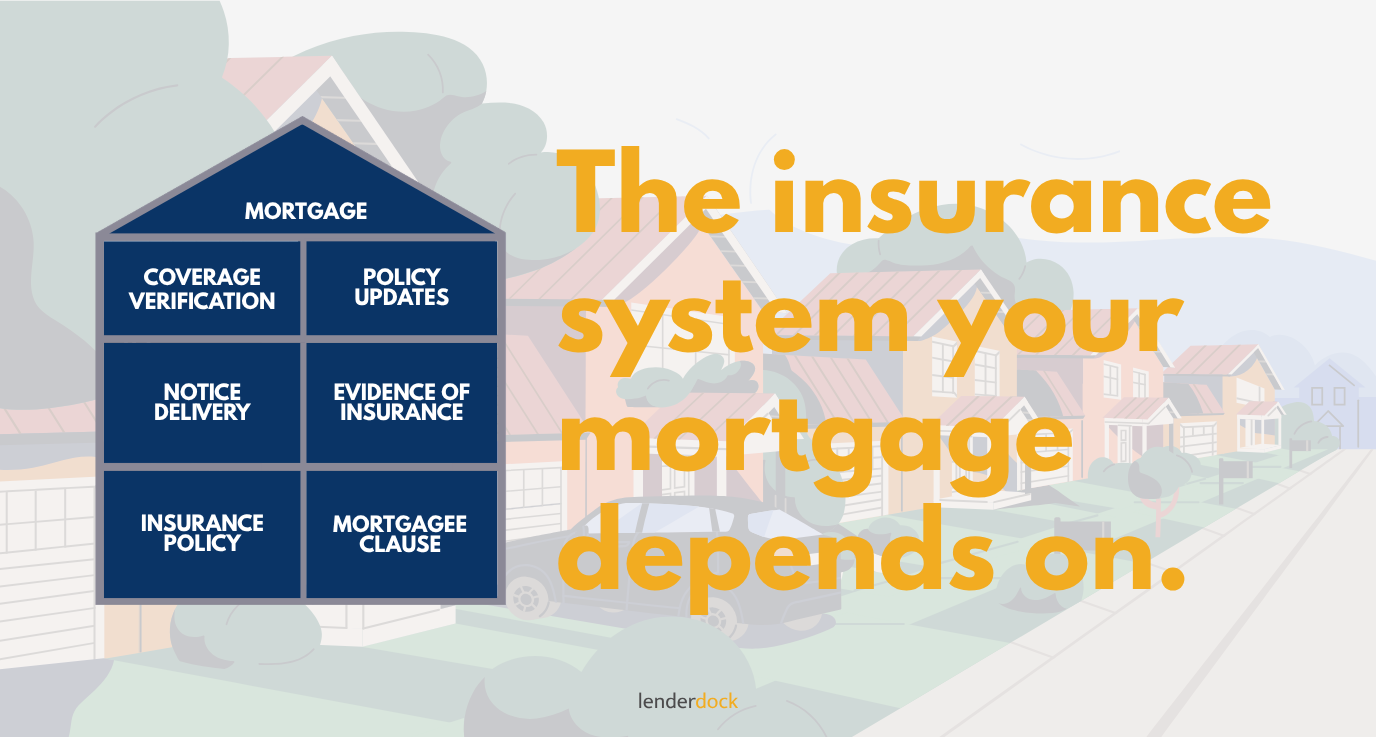
Most people who take out a mortgage never think about insurance as part of the loan itself. It feels adjacent, a separate purchase, something the lender requires but does not really participate in beyond checking…
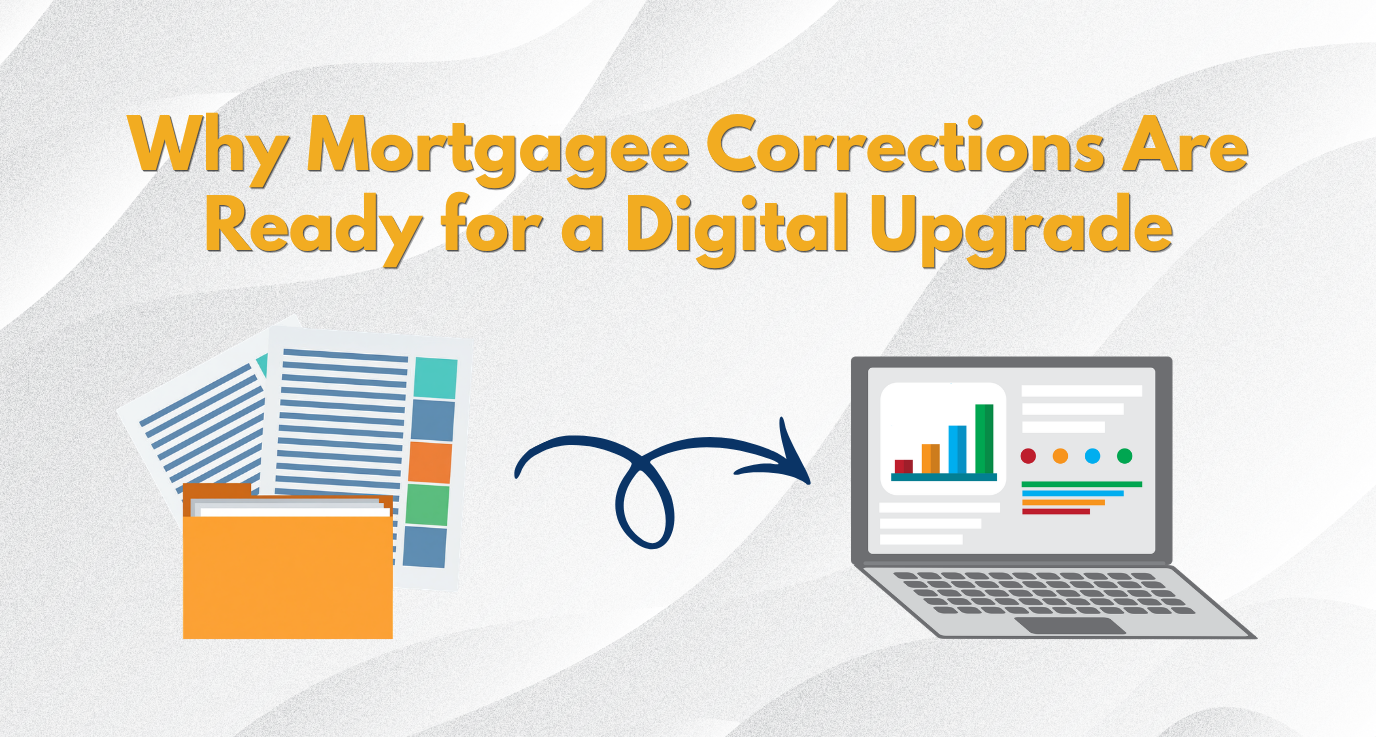
Mortgagee corrections are a routine part of insurance servicing, but the process behind them is often anything but simple. A lender may find that the mortgagee’s name or address on a policy is out of…


We consectetur adipiscing elit tempor incididunt ut labore. Wondering ipsum dolor sit amet? We consectetur adipiscing ipsum nulla glavrida elit tempor incididunt.