From Policy Change to Action: Why Timing Matters in Insurance
We’ve heard people in mortgage servicing use verification and tracking as if they’re interchangeable, and honestly, for a lot of daily work, treating them that way doesn’t break anything.


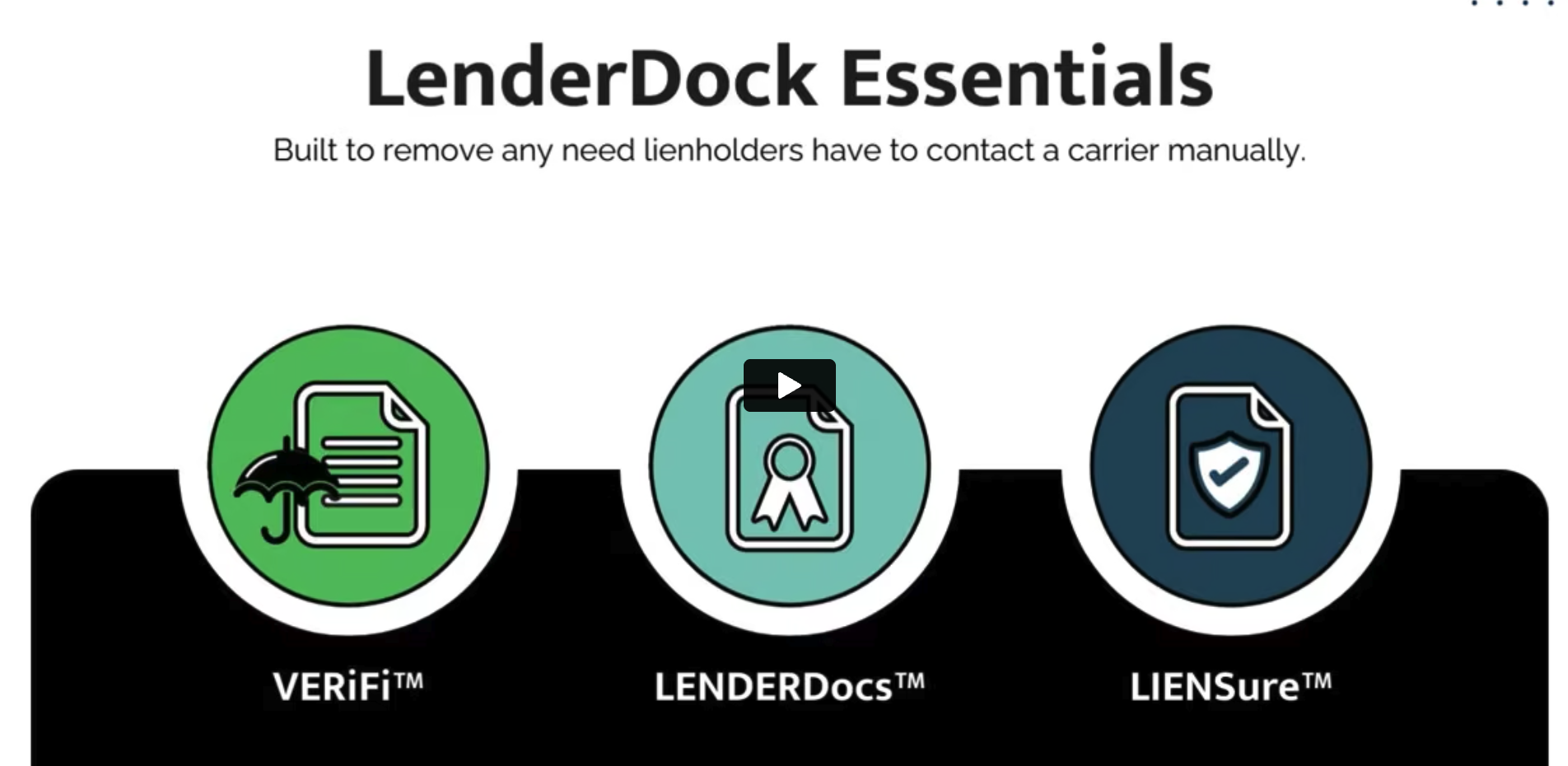
LenderDock provides real-time, insurance policy details through its magical web portal or its APIs.

LIENSure sends corrections digitally, straight from the financial source of truth and in bulk for easy processing.

ESCROWPay verifies what’s actually due before the money moves, then sends the payment and reconciliation data digitally.

NOTiFi delivers required policy, coverage, and billing notices in the formats lienholders actually use
At least check out the genesis of LenderDock Video. It’ll all make sense, the eco-system, that is.
Learn more about our great leadership team and our amazing, people-first, company culture.
There’s a lot going on at LenderDock and in our industries. We threw it all here to make it easier to keep up.
We go to a lot of events and we love to eat. See our calendar of where we’ll be.
New webinars will be coming quite frequently. Educational, success, and sales.
The Property and Casualty insurance industry is expected to grow, but insurers are encountering obstacles due to shifts in customer behavior, digital changes, regulations, and competition. To address these challenges, P&C insurers need to adjust their strategies and methods of operation. These challenges include managing low-interest rates, keeping up with technology, and achieving profitable growth in a constantly evolving market.
The insurance industry is facing several challenges due to the changing trends in property and casualty insurance.
Overview of challenges confronting the Property and Casualty Insurance industry
In this article, we will discuss the primary challenges faced by the P&C insurance industry and what things your company should be focused on soon.
In recent years, the amount of insurance coverage provided by P&C carriers has steadily increased. This increase in supply is expected to continue as more online insurance providers enter the market, leading to more intense competition based on pricing. The changes are leading insurers to expand into new areas and develop new products.
The insurance industry has the potential to profit from new digital technologies like augmented reality and networked devices. These technologies can offer fresh sources of revenue and help with industry operations. However, the industry’s slow adoption of new technology has become a major issue. The quick evolution of customer behavior and expectations is due to technological advancements. The insurance industry is struggling to keep up with these changes. To improve efficiency and reduce risk exposure, it is essential to invest in digital platforms and solutions.
The insurer’s growth and ability to regulate costs, meet business demands, and satisfy customers are being hindered using outdated policy and underwriting systems in P&C insurance. Moreover, the profit margins are being affected, and overall efficiency is lowering due to the maintenance and upkeep of these obsolete technologies and processes.
Insurance companies can adopt advanced technologies such as analytics and automation to improve their operational processes including sales and underwriting. This will enhance their capacity to adapt to sudden changes swiftly and reduce downtime, leading to a more resilient and scalable insurance business.
Outdated software is causing operational costs to increase in the insurance industry. It is necessary to allocate additional resources for the task, which could be made more efficient by implementing a comprehensive modern system. Creating and reviewing mandatory audit reports is time-consuming and requires significant human resources. The use of an electronic system would streamline this process by generating reports quickly and allowing for review and sharing.
It’s important to prioritize the needs of customers considering digital disruption. To engage customers better, the company should concentrate on improving its operations, processes, and employees. Moreover, it should aim to innovate its products and services while remaining agile and aligned as an organization. The company should also reconsider its business model and put greater emphasis on customers to offer a more personalized value proposition as the digital landscape evolves.
Businesses need to use data intelligently to meet customer demands and gain a competitive edge. Extracting valuable insights from large amounts of data – known as business intelligence – is therefore essential. The latest approach to business intelligence is customer-centric and involves using data to inform strategic decisions.
Data is valuable but managing it with outdated methods or technologies is insufficient. By collecting data from different digital sources, carriers can improve underwriting, pricing, and customer experience while reducing losses.
Summary recap
The P&C insurance industry has several challenges such as rising competition, high operational costs, decreased customer engagement, and insufficient business intelligence. Fortunately, many of these problems can be addressed with technology. Insurance companies equipped with the proper tools, platforms, and technology can achieve sustainable growth and overcome obstacles.
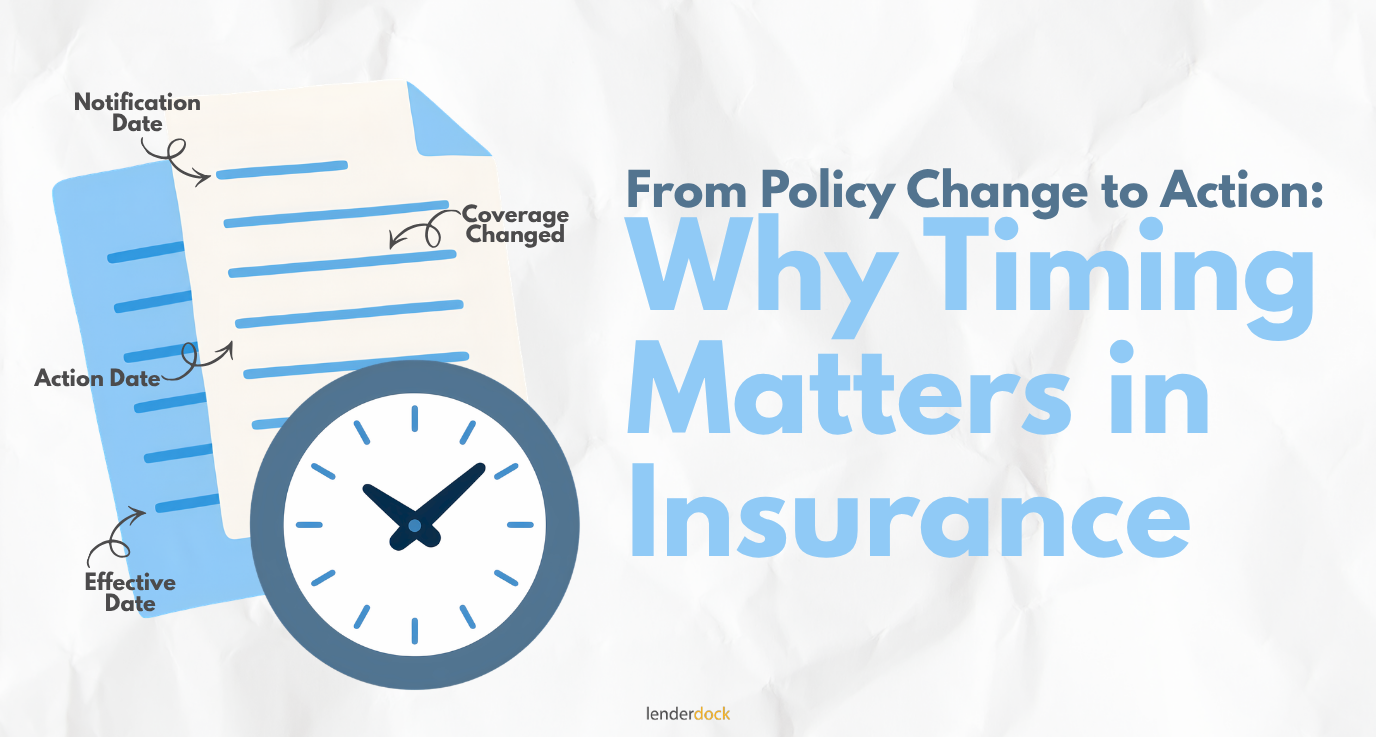
We’ve heard people in mortgage servicing use verification and tracking as if they’re interchangeable, and honestly, for a lot of daily work, treating them that way doesn’t break anything.
A two-day lag between a policy change and everyone finding out about it used to be annoying, not dangerous. Someone made a call, waited, got an answer, and moved on with their day.

We’ve heard people in mortgage servicing use verification and tracking as if they’re interchangeable, and honestly, for a lot of daily work, treating them that way doesn’t break anything.
Insurance verification is a routine part of the lending and insurance process. A lender needs to know whether a policy is active. A mortgage servicer may need to confirm coverage or mortgagee information. An insurance…
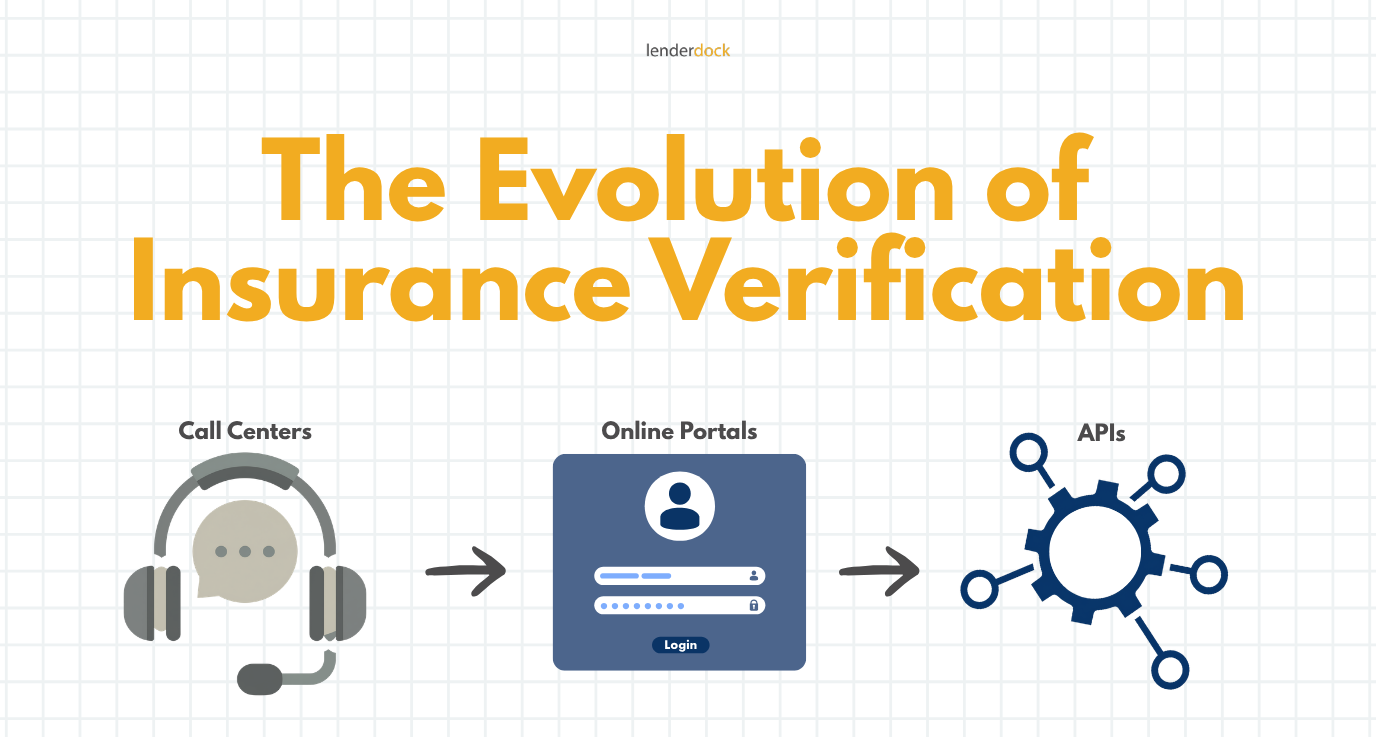
In the earliest version of insurance verification, the person answering the phone actually had to know things. They pulled a physical file, checked handwriting against a ledger, and made a judgment call about whether what…
Two insurers can each have perfectly accurate, well-maintained policy databases and still fail to exchange a single piece of usable data between them.
Every single day, insurance workers face a mountain of simple questions. Are they tired of answering the same questions about policy coverage all day long? Yes, they are. When banks or lenders need to check…
A title company closing a home sale needs to confirm the seller’s policy is active before the deal can move. An auto lender needs the same thing before releasing funds on a car loan. A…
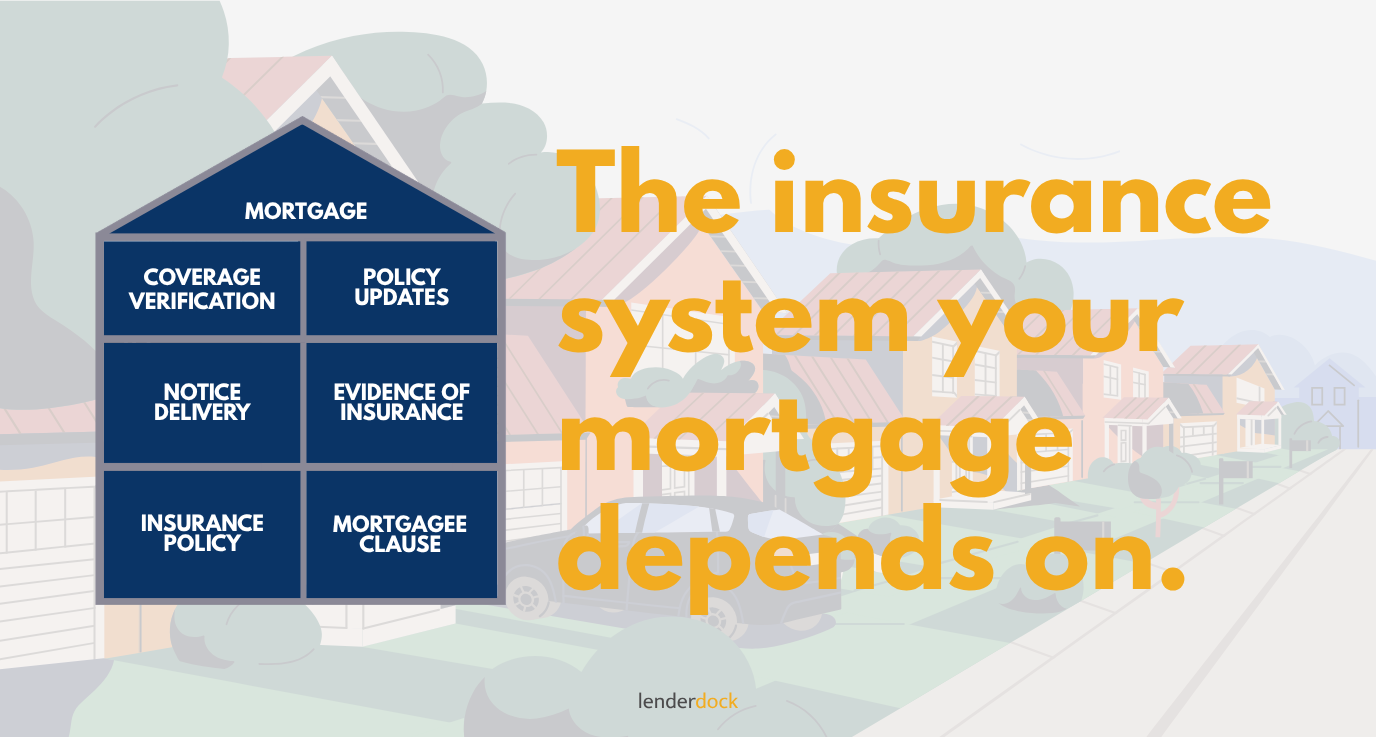
Most people who take out a mortgage never think about insurance as part of the loan itself. It feels adjacent, a separate purchase, something the lender requires but does not really participate in beyond checking…
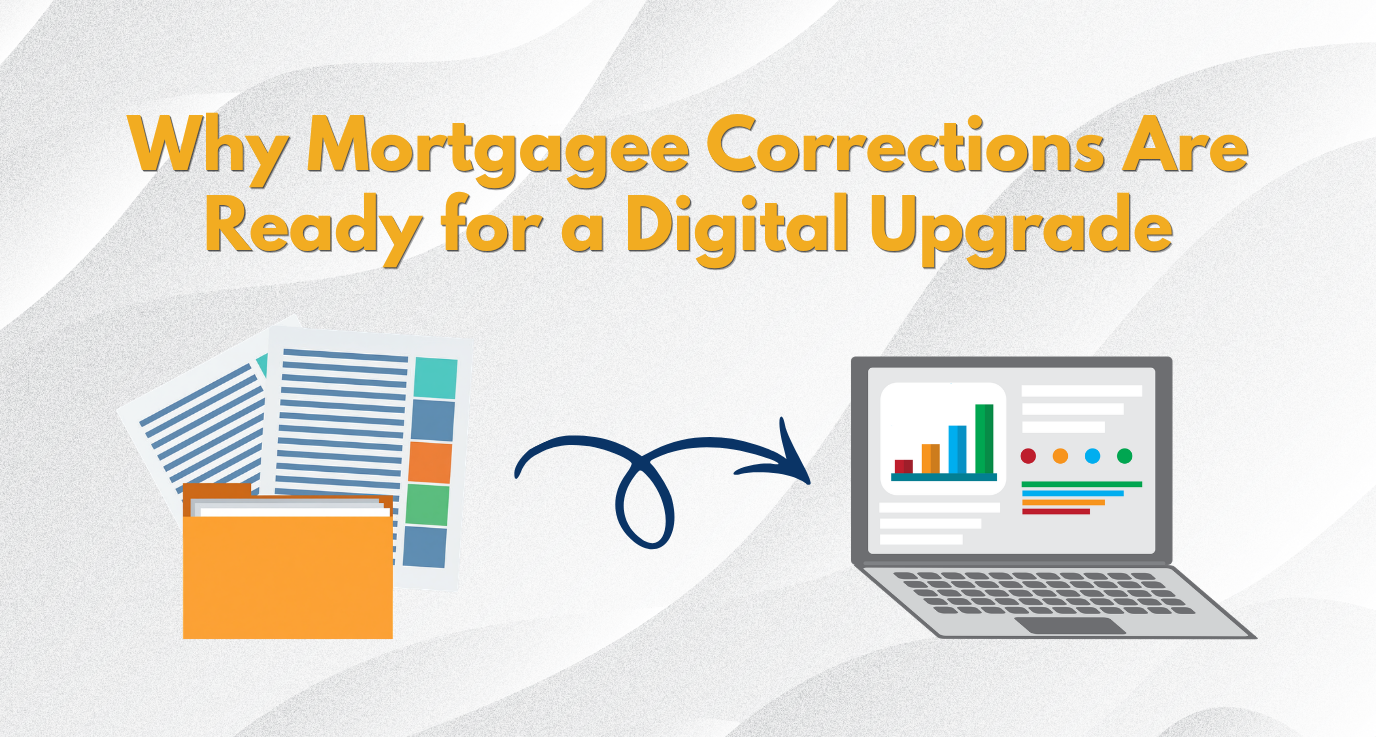
Mortgagee corrections are a routine part of insurance servicing, but the process behind them is often anything but simple. A lender may find that the mortgagee’s name or address on a policy is out of…


We consectetur adipiscing elit tempor incididunt ut labore. Wondering ipsum dolor sit amet? We consectetur adipiscing ipsum nulla glavrida elit tempor incididunt.